There will be plenty of additions to this information stream over time so why not sign up for updates as they happen?
-
While, undoubtedly, a funeral is a chance to grieve, it can also be an opportunity for healing and reflection. Here, rituals provide solace and a sense of continuity and including an additional symbolic act can helps celebrate the life that was lived. It can also help to personalise the ceremony and provide a space for…
-
Funeral offers a unique opportunity to honor your loved one in a way that reflects their values, personality, and the relationships they cherished and personalisation of the content is key to expressing their uniqueness. There are no ‘rules’ or ‘correct things’ to include in a funeral, but here are a few of the typical components…
-
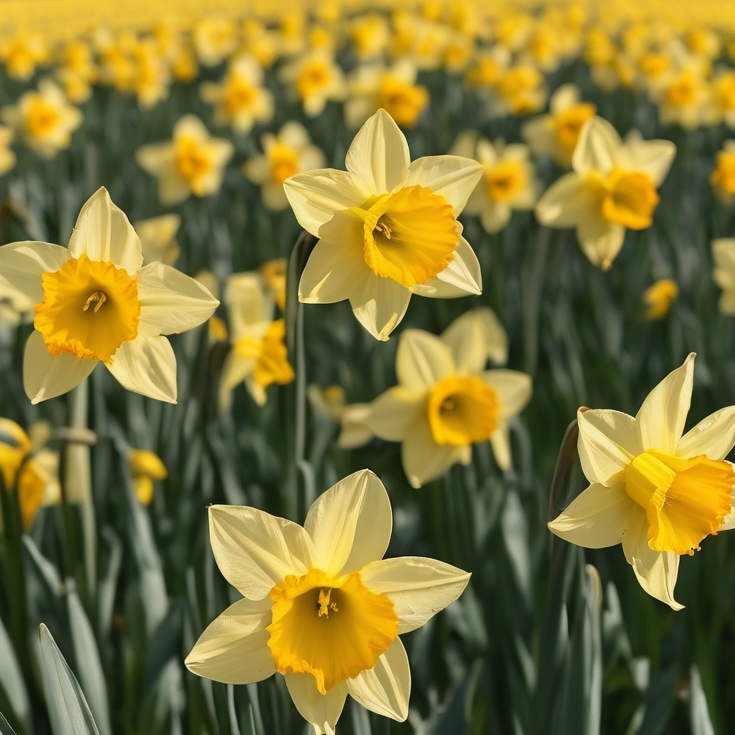
Location is important. Ceremonies can take place in various locations; crematoria, natural burial grounds, cemetery, or a different venue such as a home, garden, private venue or a natural outdoor space. The options are infinite and as personal as the deceased. Modern ceremonies are taking place in private venues such as hotels, wedding venues, school…
-
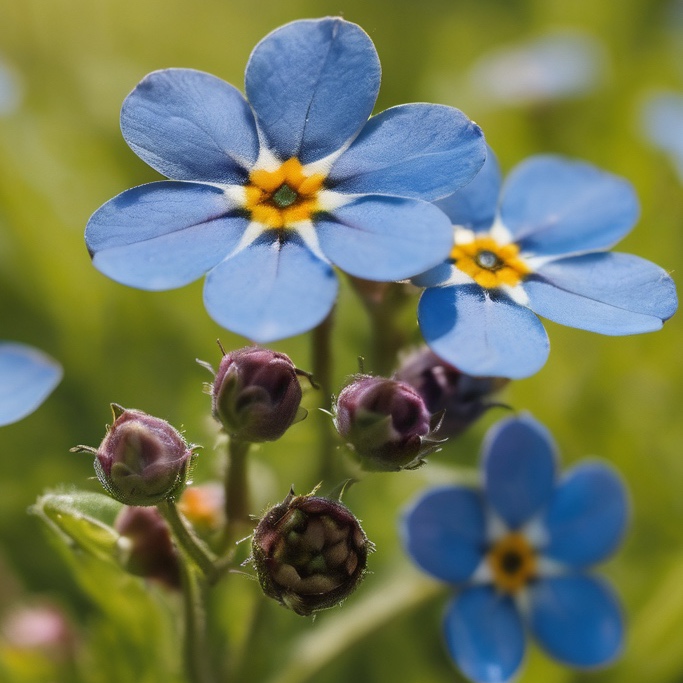
After the cremation process is complete, you will collect the ashes but this is not necessarily where things end. You can decide to simply keep these with you at home, maybe in a pretty urn, or you may wish to scatter them somewhere special or meaningful. Alternatively, they can be placed or buried somewhere permanently,…
-
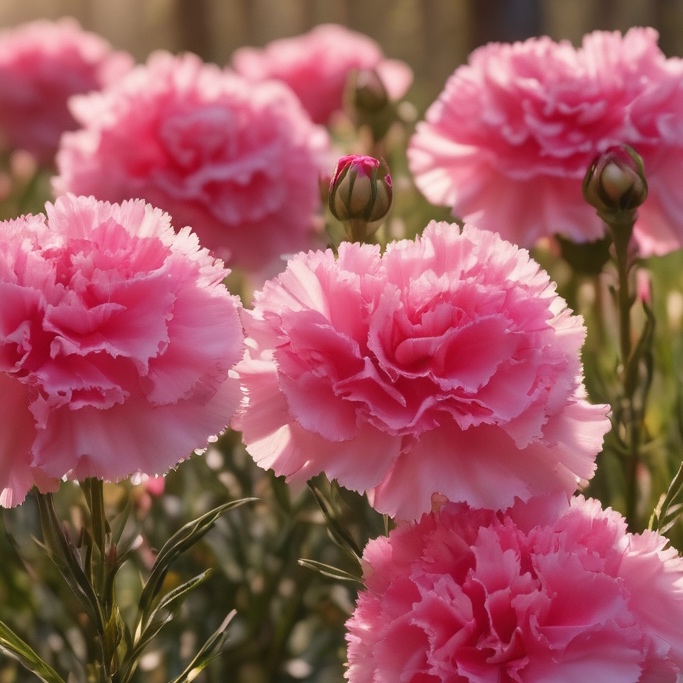
If you’re coming to the end of your life’s journey, or living with a terminal illness or a life-limiting health condition, you may like to consider a living funeral to give you the chance to celebrate your life with those who love and care for you. Choosing to do this when you’re still alive gives…
-
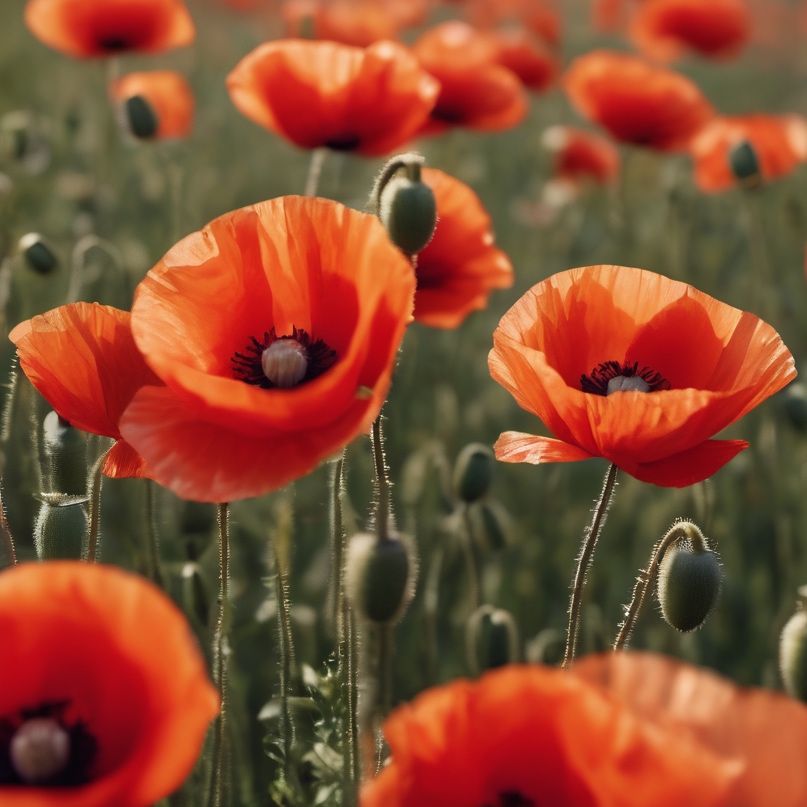
Memorials are typically held after an initial, often smaller funeral, or a direct cremation. Held some time after the cremation or burial, a memorial ceremony can be planned over a longer time period so there is often more time to consider personalised aspects for the ceremony or a greater level of contribution from others. A…
-
A remembrance ceremony may take place quite some time after death and the initial farewell ceremony. It is often used to mark an anniversary, for example 10 years, or what would have been a milestone, such as a 21st birthday. The benefit of a remembrance ceremony is that it can be entirely tailored to the…
-
Direct cremation (or unattended cremation as it is more formally known) is where a person is cremated without a funeral ceremony taking place at the same time or location. So, the deceased is brought directly to the crematorium and a service is not held in the chapel. There are some benefits to this option; the…
-
A Celebration of Life is simply a different ‘type’ of funeral. Funerals are traditionally thought of as relatively formal but, in fact, a funeral can be whatever you would like it to be. You could call it a ‘celebration of life’ and still have elements of formality, or you could call it a ‘funeral’ and…
-

You only have to hear the word ‘funeral’ and instantly you will have an image in your mind of what a funeral looks like. But what exactly is a funeral? Funerals are a profound and universal human experience, present in every culture and society. They serve as a formal farewell to the deceased and as…
-
A independent celebrant is qualified to officiate formal ceremonies, such as weddings, funerals, or namings, and create ceremonies that are as individual as the people themselves. So, they’re like a vicar or priest then? No. They don’t conduct religious ceremonies “in the name of God”. So, they’re like a Humanist then? No. Humanists don’t include…
 Celebrant Allison Thomas